Luchelele Living Lab Aquaculture
Lake Victoria – a source of livelihood for millions of people
Location
Luchelele, Tanzania
Project partners
Asobo Mobility
Field
Digital ecosystems
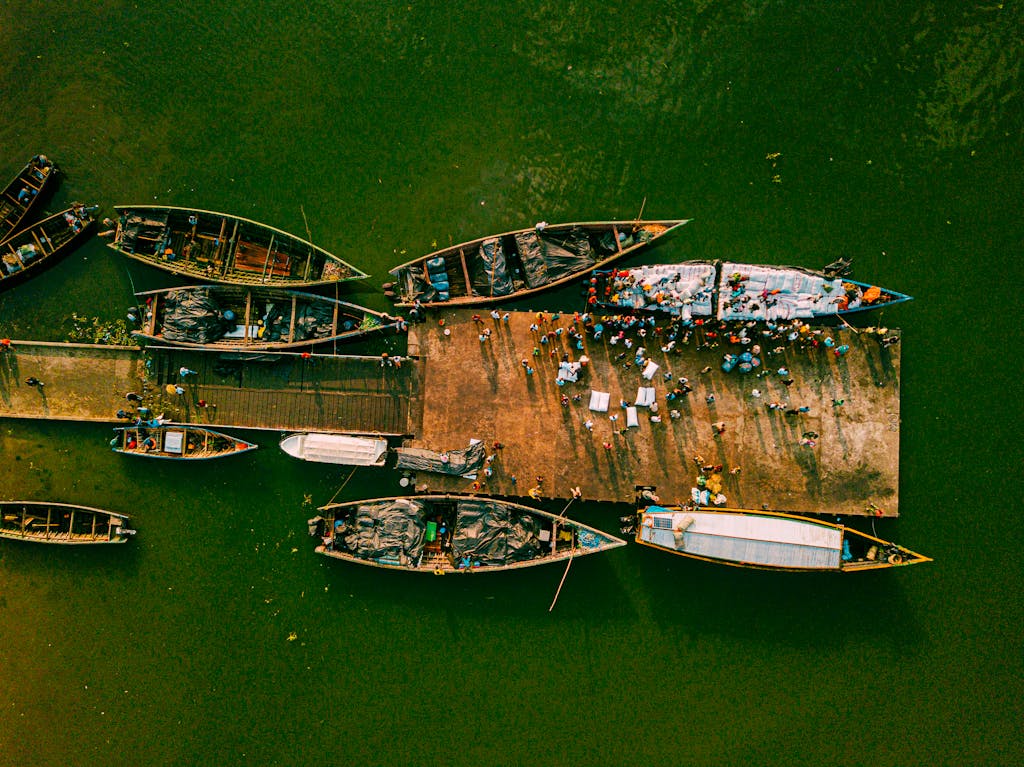
Marine ecosystems are fragile and can easily be thrown out of balance. Pollution, overfishing and invasive species have placed considerable pressure on many bodies of water in recent decades.
Lake Victoria, the world’s second-largest freshwater lake by surface area, lies in the border region of Tanzania, Uganda and Kenya. It provides a direct or indirect livelihood for an estimated 30 to 40 million people, for example through fishing, trade, transport and agriculture.
At the same time, the lake’s ecosystem is under increasing pressure. Climate change, rising water temperatures and rapid population growth in the region present new challenges for the sustainable use of resources. Solutions are needed to safeguard both people’s livelihoods and the stability of the ecosystem in the long term.
Luchelele Living Lab – Digital aquaculture on Lake Victoria
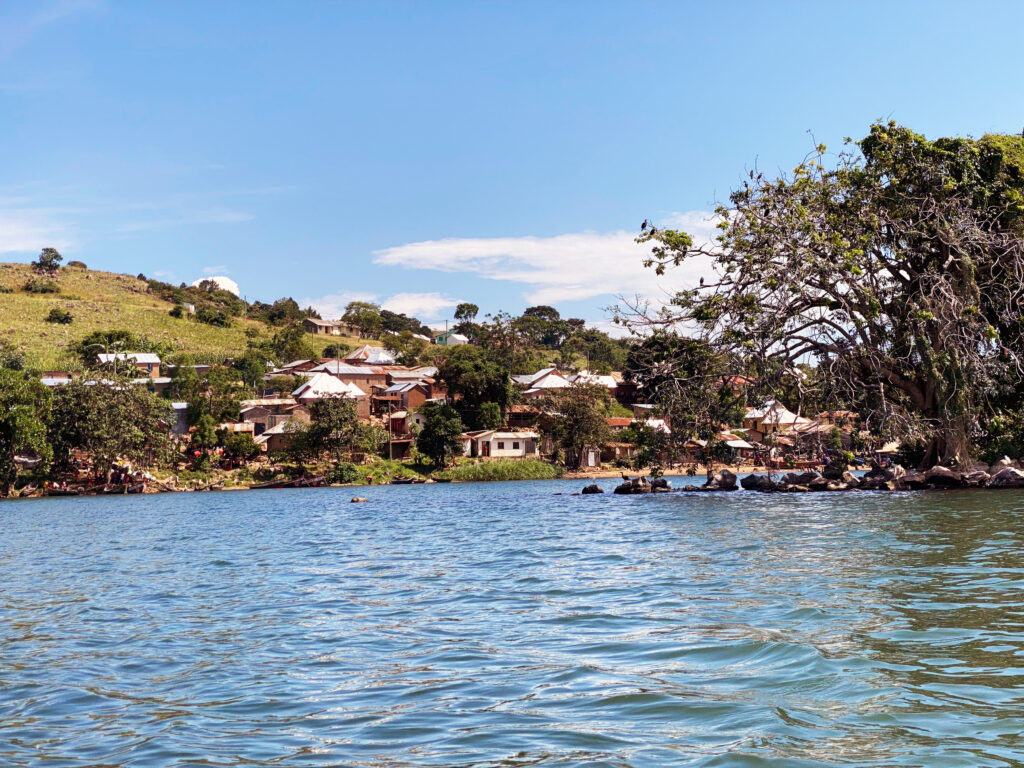
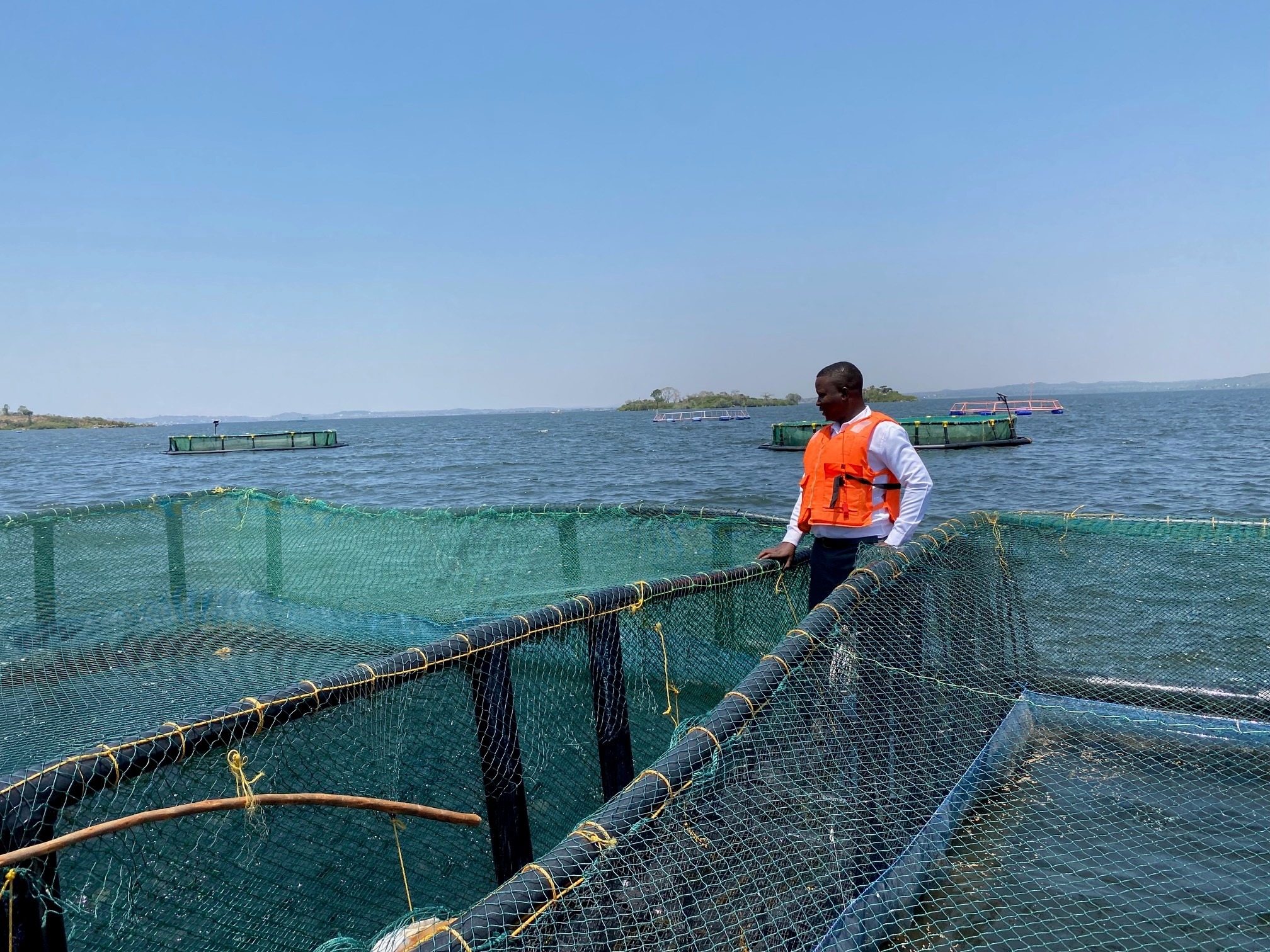
Lake Victoria – Luchelele Beach near Mwanza, Tanzania
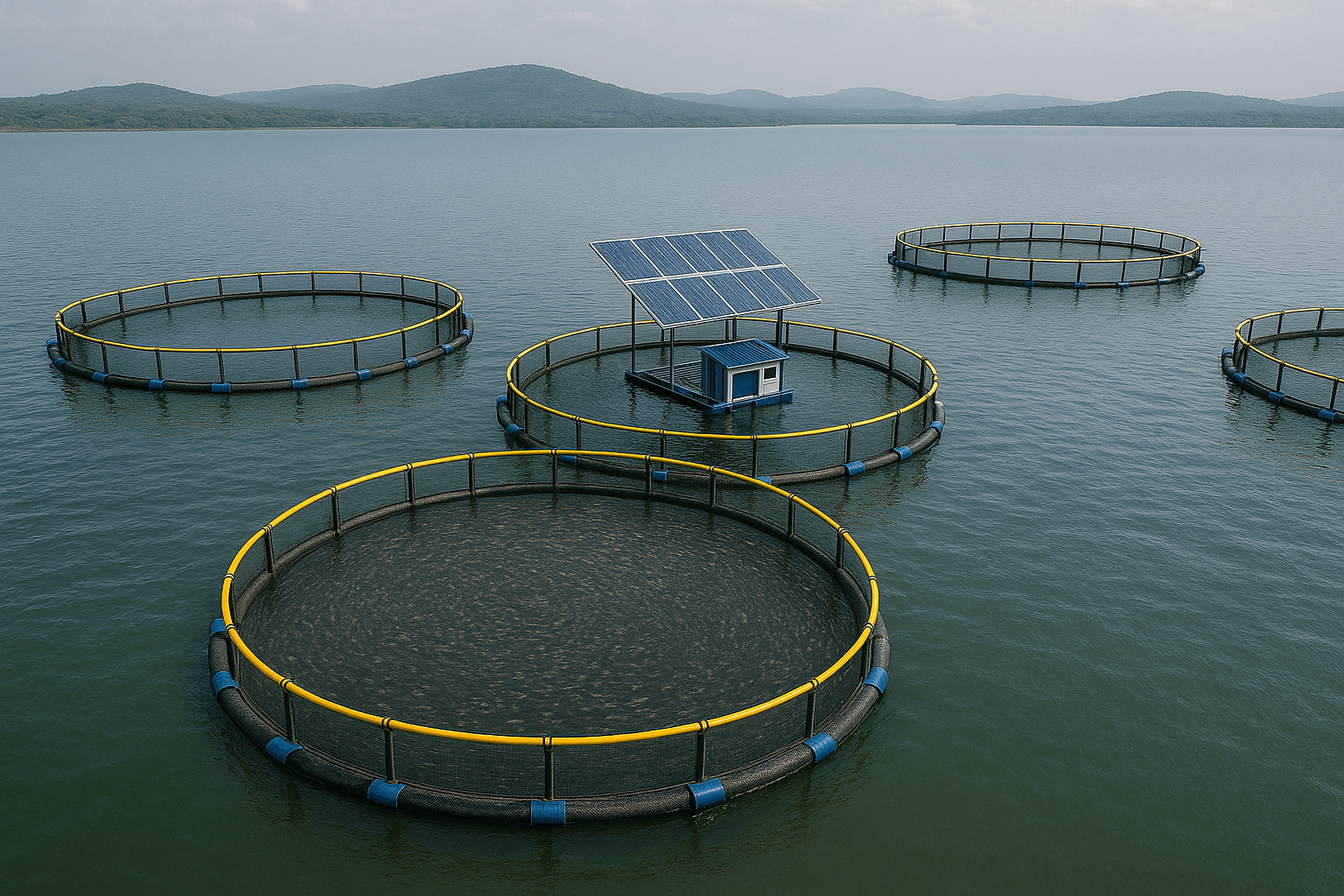
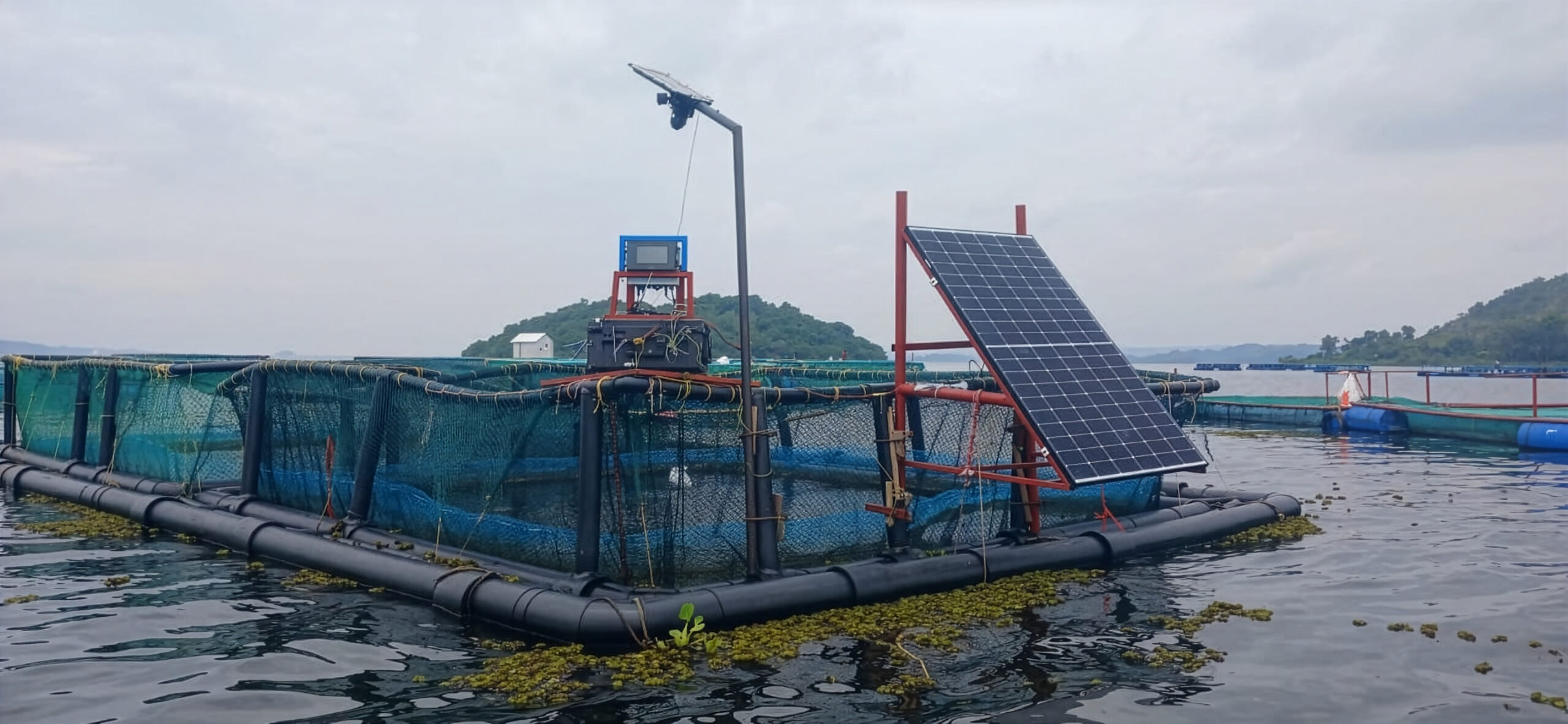
At the Luchelele Living Lab, VoltaViewAfrica is developing a floating aquaculture platform that combines renewable energy, digital environmental monitoring and sustainable fish production. The project serves as a living lab where new technologies for aquaculture and resource management are tested and further developed under real-world conditions.
Why new approaches to aquaculture are needed
Fish is a key source of protein for many people in East Africa and an important component of local economies. At the same time, natural fish stocks are coming under increasing pressure.
Aquaculture is therefore gaining in importance – yet it faces new challenges of its own. Many farms have only limited means of reliably monitoring environmental conditions. Changes in water quality or oxygen levels often go unnoticed for a long time and can cause significant losses.
Furthermore, rising water temperatures and increasingly unpredictable environmental changes are altering production conditions in the lake.
To maintain stable fish production in the long term, new approaches are therefore needed that can better understand ecological processes and respond to changes at an early stage.
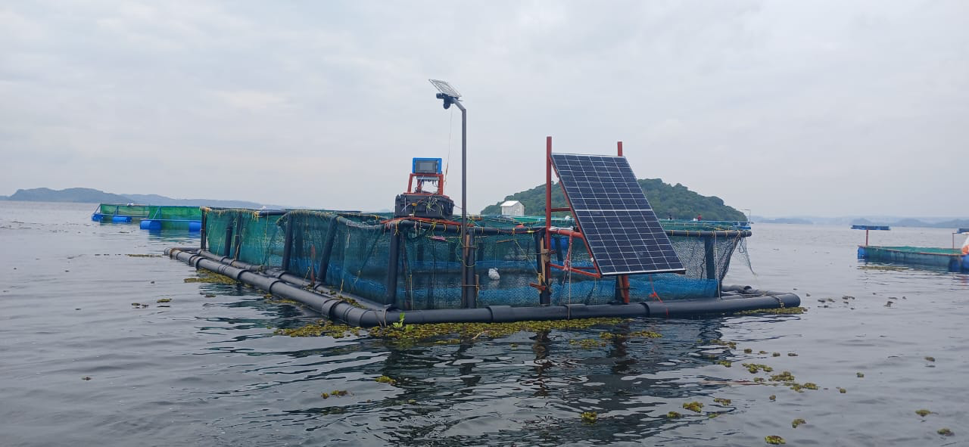
AquaTwin – The digital twin for fish farms
Many existing monitoring systems are too expensive or require too much maintenance for small and medium-sized aquaculture operations. Particularly in tropical waters, biofouling – the growth of algae and microorganisms on sensors – poses a significant problem and often leads to unreliable measurements.
With AquaTwin – The Digital Twin for Fish Farming, VoltaViewAfrica is therefore developing a system that continuously records environmental conditions and is specifically designed for tropical operating conditions.
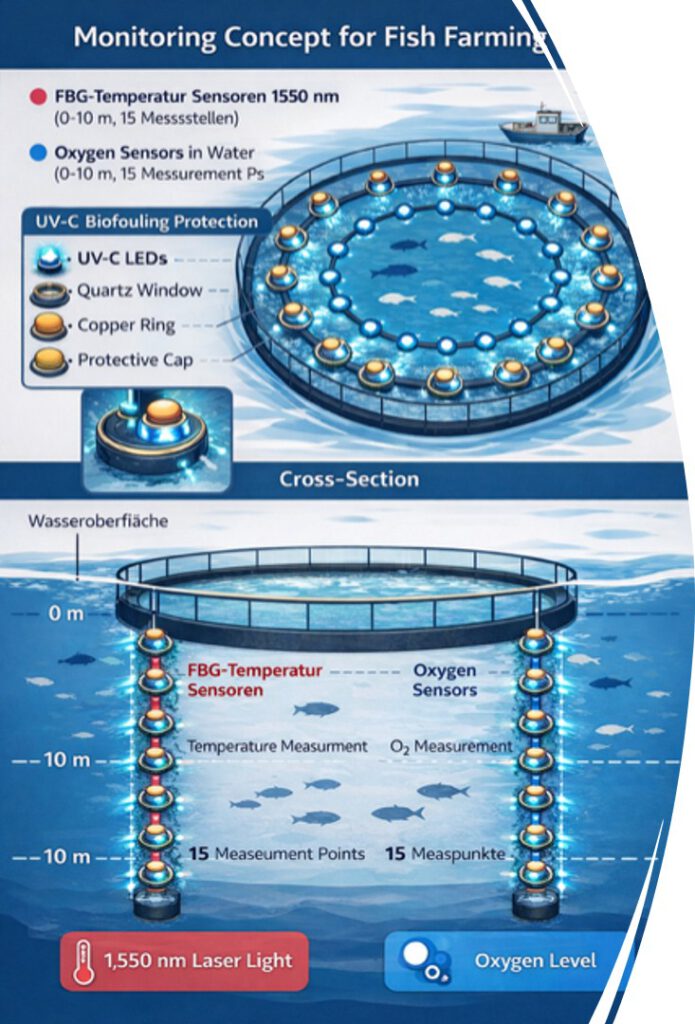
Fibre-optic sensors measure key water parameters such as temperature and oxygen content throughout the entire water column. A special sensor structure reduces biofouling and enables stable measurements over the long term.
Based on this data, a digital twin of the aquaculture environment is created, which visualises changes in the pond and can provide early warning of critical developments.
For fish farmers, this means:
- more stable yields with lower risks
- better assessment of environmental conditions
- early warnings in the event of oxygen depletion or temperature spikes
- more precise planning of feeding and production
Smart feeding with AquaTwin pro
One specific example of this system in action is AquaTwin pro. This is a mobile support system for feeding in aquaculture facilities, such as those commonly found on Lake Victoria.
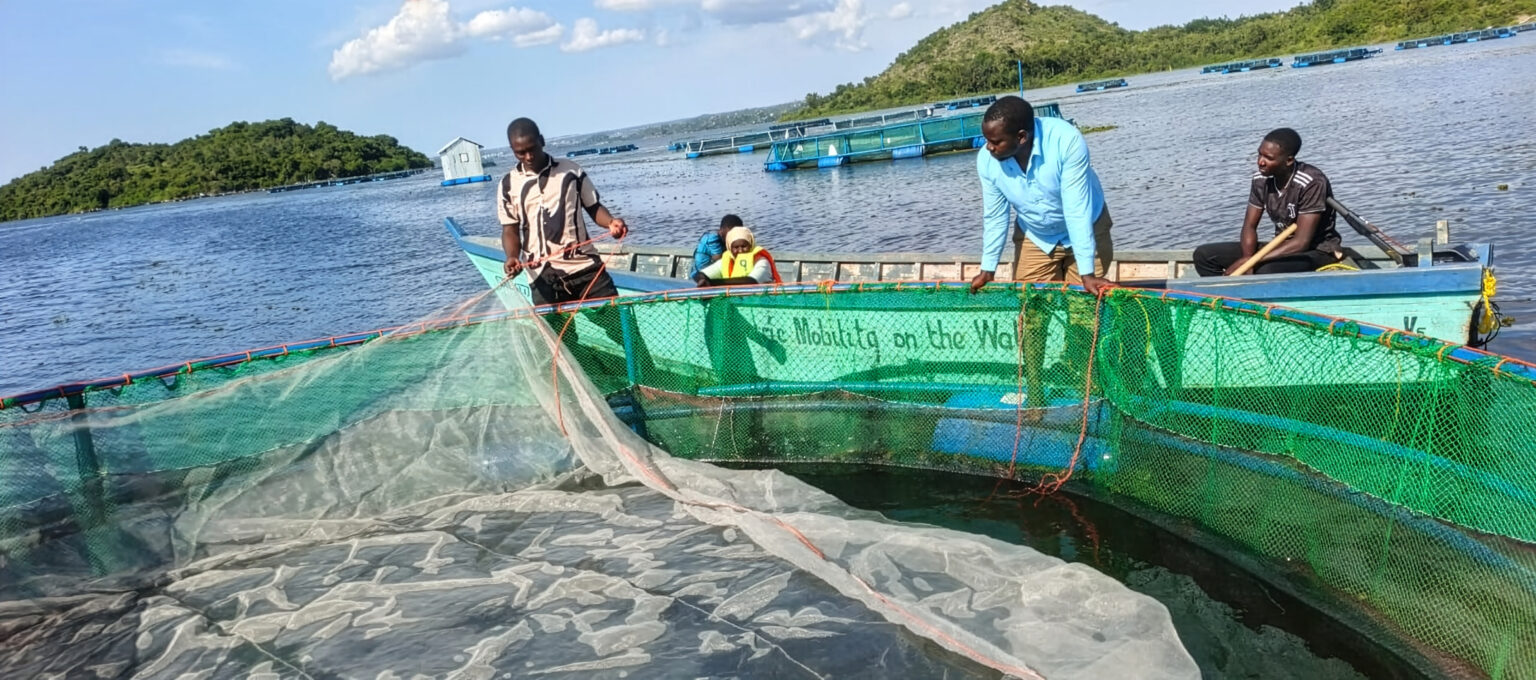
During manual feeding from a boat, a hydrophone records the acoustic behaviour of the fish. The data is analysed directly on a smartphone and translated into simple feedback for staff. This makes it clear whether the fish are actively feeding or whether the feeding should be adjusted.
The system thus intervenes in a process that has hitherto been heavily based on experience, supplementing it with a data-driven basis for decision-making. At the same time, feeding times, quantities and environmental conditions are recorded and integrated into the Digital Twin.
In practice, this means less overfeeding – a common problem that both increases costs and impacts water quality – as well as more efficient use of feed as a key cost factor. This helps reduce operating costs and makes it easier to plan yields.
To make access to the technology practical, AquaTwin pro is provided under a rental model. This allows even smaller farms to use the systems without having to make high initial investments.
At the same time, access to this information strengthens the role of local operators. Decisions can be made based on their own data, leading to greater autonomy in farm management and in the further development of the facilities. The system serves as a support in day-to-day operations without replacing existing structures.
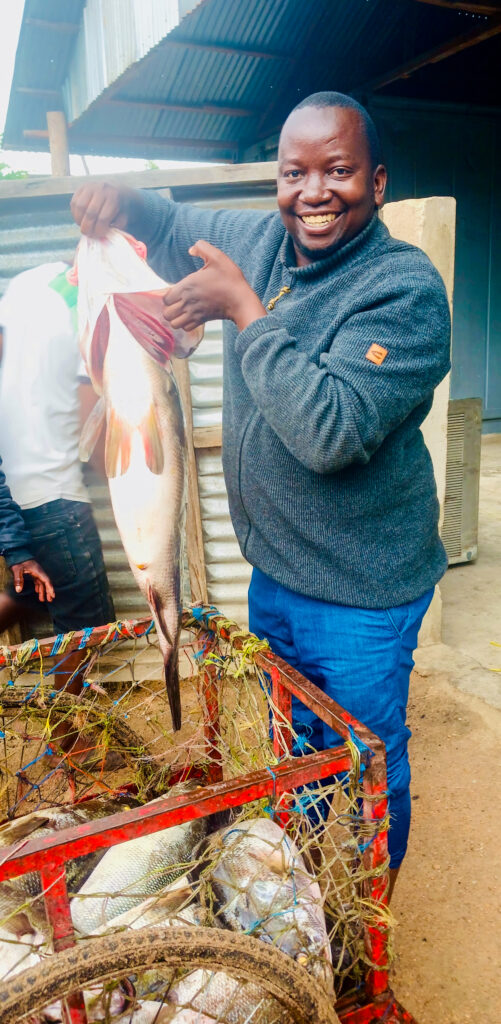
Our technology
Environmental monitoring in the lake
The development of the sensor platform was a collaborative effort with our partners, and it is based on the Photonic EDGE photonic measurement platform.
The system utilises a distributed fibre-optic structure in which several measurement methods are combined:
- Fibre Bragg Gratings (FBG) for high-resolution temperature measurement
- Molecularly Imprinted Polymers (MIP) for determining dissolved oxygen
- a helical fibre structure that enables measurements along the entire water column
This allows environmental parameters to be continuously recorded along the sensor fibre, rather than merely monitoring individual measurement points in the water.
The sensors form part of a distributed monitoring architecture in which a central sensor node serves as the data hub for several fish cages. The continuously recorded measurement data then forms the basis for the digital model of the aquaculture environment, providing a detailed picture of environmental conditions that can be used for the sustainable management of aquaculture.
Current measurement data on oxygen saturation in our aquaculture facility:
The Living Lab in Mwanza
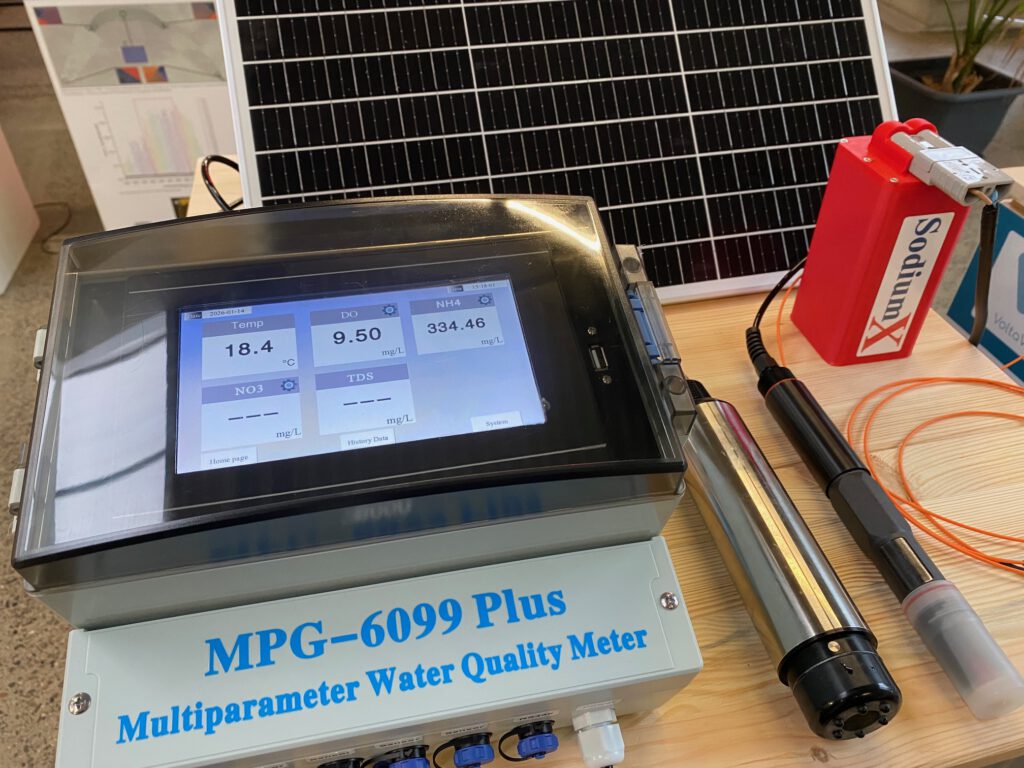
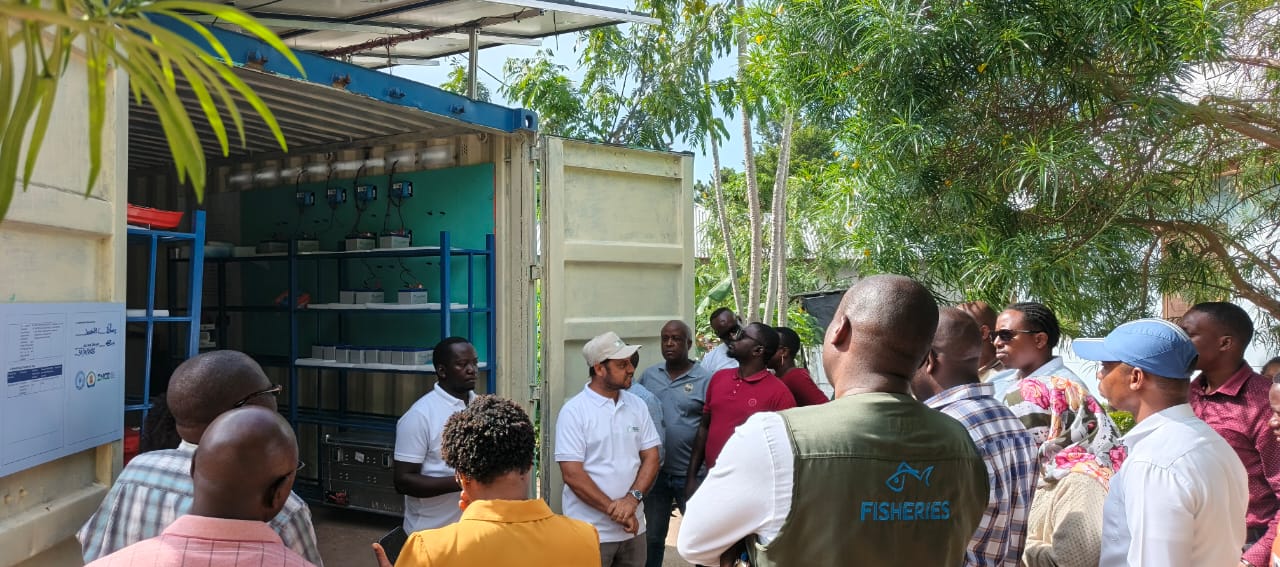
The site at Luchelele Beach near Mwanza (Tanzania) serves as an open testing ground for new approaches in aquaculture. Here, technologies, operational models and environmental monitoring are tested and further developed under real-world conditions.
The project combines fish production, renewable energy and digital environmental monitoring into an integrated system. The operational experience gained is intended to help improve understanding of aquaculture sites and adapt technical solutions to local conditions.
In the long term, the Living Lab will serve as a reference site for further projects in the region.
Our partners
The Luchelele Living Lab is being developed in collaboration with partners from the fields of research, technology development and aquaculture practice. This cooperation brings together scientific expertise, technical innovation and local experience.
Project partners include: