
Protect mangroves before it’s too late
A new monitoring system for vulnerable coastal ecosystems in Tanzania
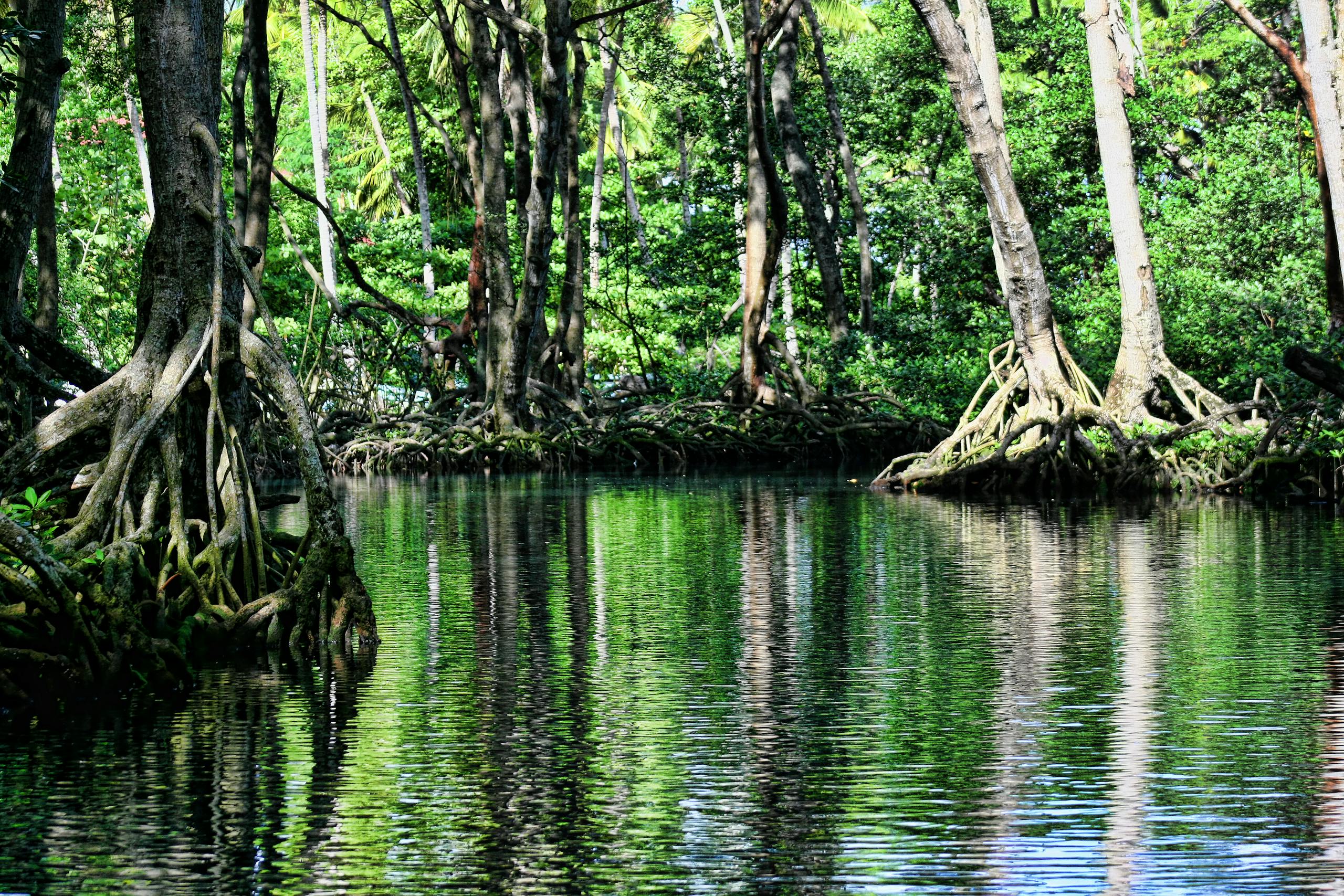
Mangroves are among the world’s most valuable ecosystems. They protect coastlines from erosion and storm surges, store large amounts of CO₂, and form the basis for fisheries and local livelihoods. At the same time, they provide habitat for numerous species and stabilise sensitive coastal zones. Their loss therefore affects not only the environment, but entire communities, both ecologically and economically.
The problem: invisible damage
Mangroves often die unnoticed. Changes in the soil – such as rising salt concentrations, oxygen deficiency or root rot – remain invisible for a long time. Often, action is only taken once the damage is already well advanced and virtually irreversible. Reforestation projects also frequently fail because the actual site conditions are not sufficiently understood. This is precisely where data-driven monitoring comes in.
Our approach:
Together with Fraunhofer HHI, SAUT University and Asobo Mobility, we are planning a new monitoring system in Pemba (Tanzania). Fibre-optic sensors will be used to continuously record changes in the soil. This will enable critical developments to be identified at an early stage and targeted measures to be initiated.

Technology and implementation
The project utilises fibre-optic sensor technology from Fraunhofer HHI, which measures minute changes in the soil – such as moisture, temperature or salinity – along cables up to one kilometre in length.
The data is continuously recorded and analysed in a digital system. This creates a digital twin of the ecosystem, which makes changes visible and enables informed decisions.
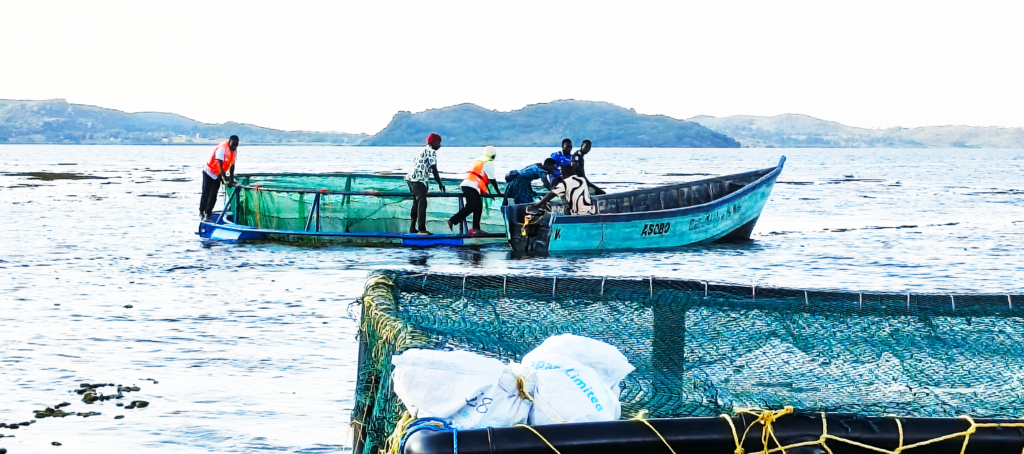
The system is complemented by electric boats from Asobo Mobility, which are used for monitoring, data collection and maintenance.

Planned project start: 2026
For us, this project represents the next step in developing existing approaches and applying them to new areas. Together with our partners, we aim to demonstrate how sensitive ecosystems can be better understood and protected in the long term.