Sustainable e-mobility
on Lake Victoria
Electric boats for fishermen on Lake Victoria
Location
Igombe Fishermen’s Beach, Tanzania
Project partners
Asobo Mobility
Scope
Sustainable mobility
An estimated 100,000 small-scale fishermen operate on Lake Victoria, most of whose boats are powered by petrol outboard motors.
These incur high running costs and contribute to water and environmental pollution. At the same time, the lake is the main source of livelihood for millions of people in the region.
Against this backdrop, VoltaViewAfrica is working with Asobo Mobility to trial electric outboard motors as an alternative for use in the local fishing industry.
Practical testing
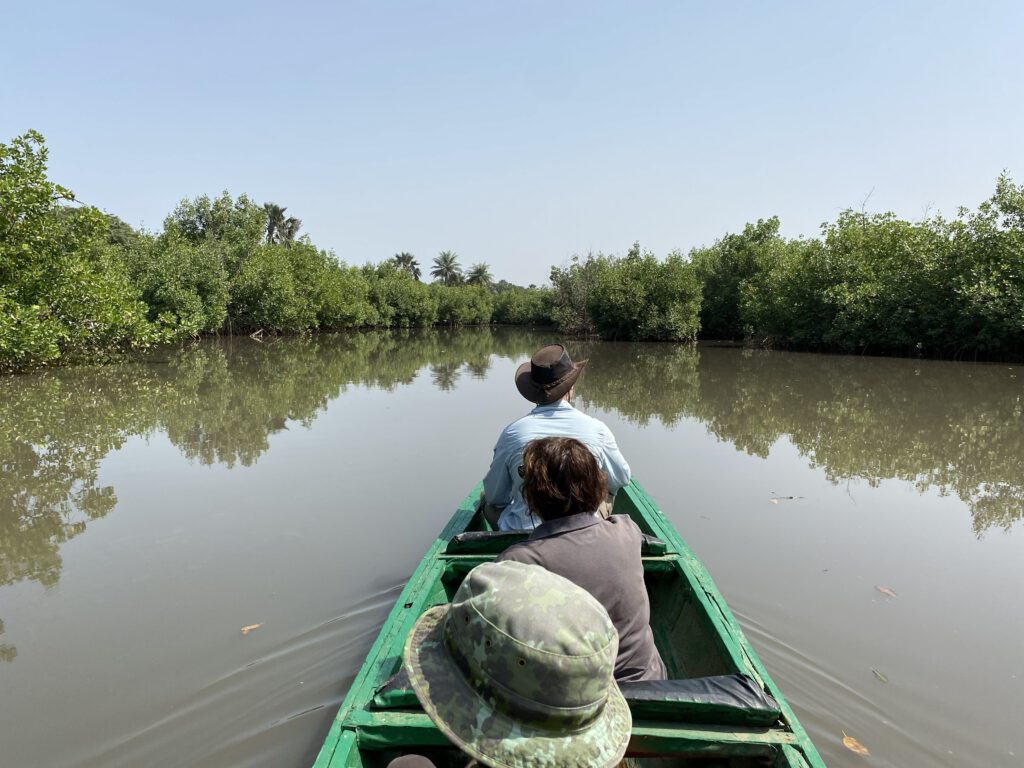
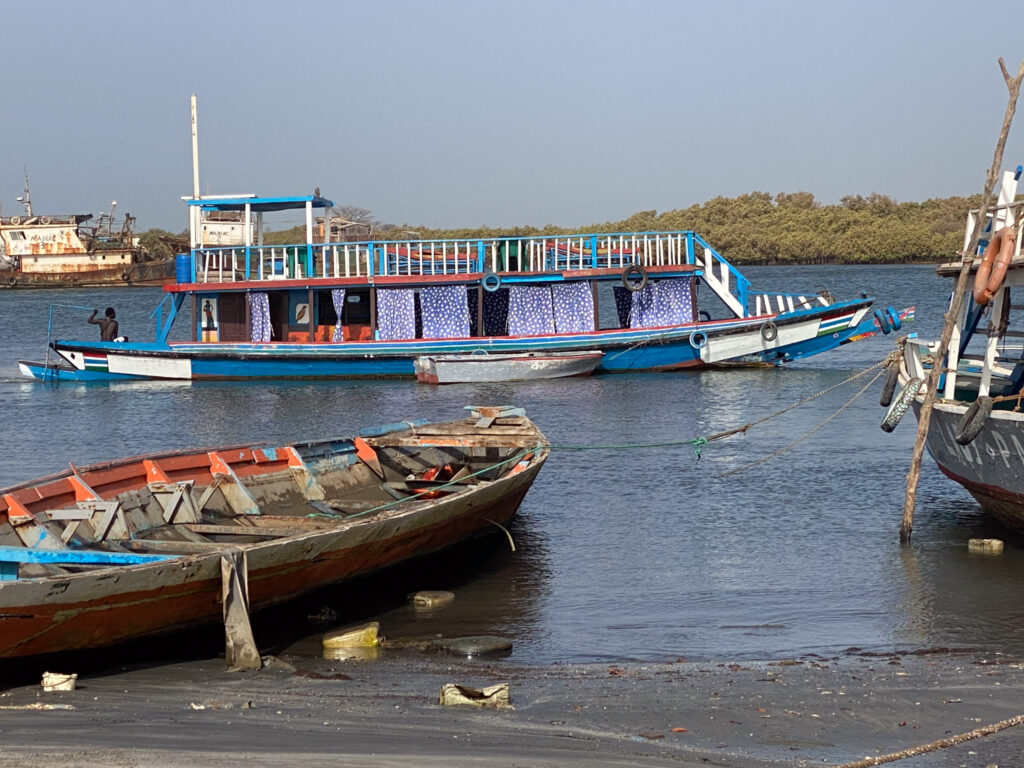
The project is being implemented at Igombe fishing beach near Mwanza. The site serves as a test bed where new technologies are deployed and further developed under real-world conditions.
The aim is to establish an initial fleet of solar-powered small boats and to test their use in everyday life
Our objectives
The aim of the project is to test the practical application of electric propulsion in fisheries and to develop economically viable solutions for everyday use.
Many fishermen on Lake Victoria earn around €50 a day from their catch, whilst the cost of petrol per trip ranges between €15 and €20. This often leaves only €30 to €35, which is shared among several people. For individual fishermen, this frequently amounts to an income of just €3 to €4 per day.
Electric propulsion systems can significantly reduce these running costs, as they operate independently of fuel. The aim is to improve the economic situation of the fishermen whilst simultaneously reducing the impact of fossil fuels on Lake Victoria.
Our support
VoltaViewAfrica, in collaboration with Asobo Mobility, has introduced electric outboard motors and supported the development of an initial solar-powered charging infrastructure.
The boats are powered by electric propulsion systems with performance comparable to conventional outboard motors. This is complemented by battery systems that are centrally charged and used in daily operations.
The fleet is powered by our solar charging station and our SodiumX batteries.
As part of the project, an initial fleet of small solar-electric boats is also being established to test practical use under real-world conditions and demonstrate the cost-effectiveness of the technology to local fishermen.


In cooperation with: