Digitalised ecosystems
Infrastructure as the foundation of sustainable development
Sustainable development begins with functioning infrastructure. In many regions, however, communities face complex challenges. Unfortunately, a reliable energy supply, access to clean water, safe food production and resilient local systems are often lacking.
This is precisely where our projects come in, to ensure the right to basic services. We develop solutions that integrate energy, utilities and infrastructure to create stable livelihoods in the long term.
These include, amongst others:
- decentralised power supply through renewable energy
- charging infrastructure for electric mobility
- water and basic supply systems
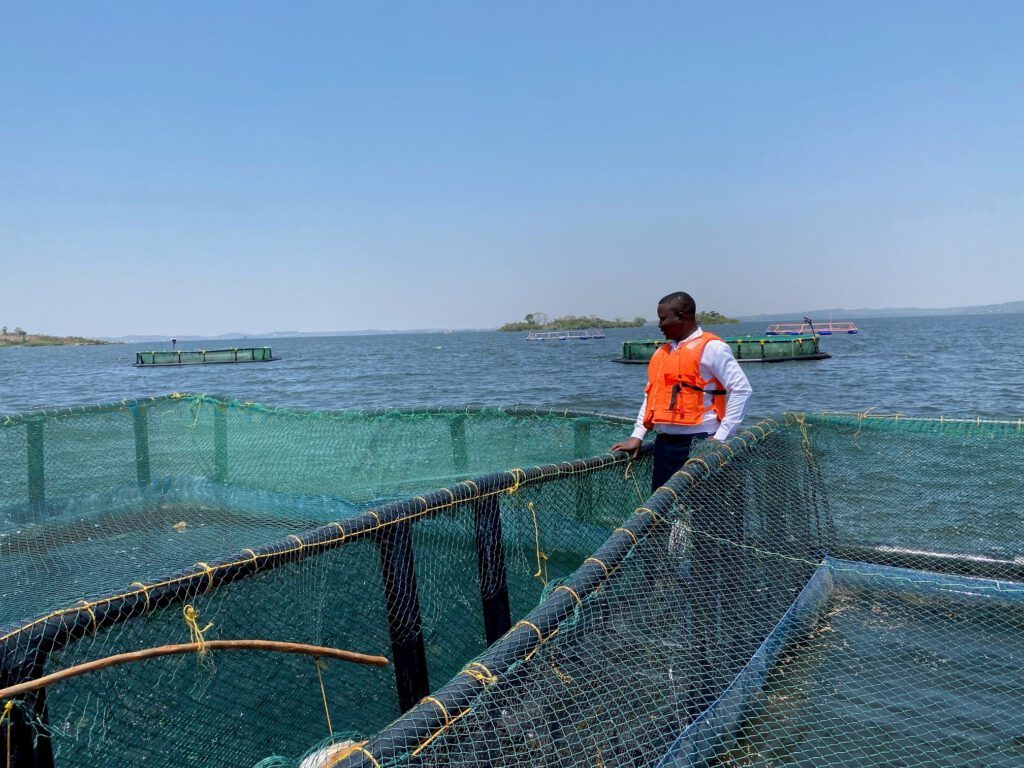
- digital and remote-controlled aquaculture to ensure food security
- crisis-resilient infrastructure for communities
The focus here is on systems that are operated, maintained and further developed locally and can be digitally operated using modern sensor systems.
Sustainable infrastructure through smart sensor systems
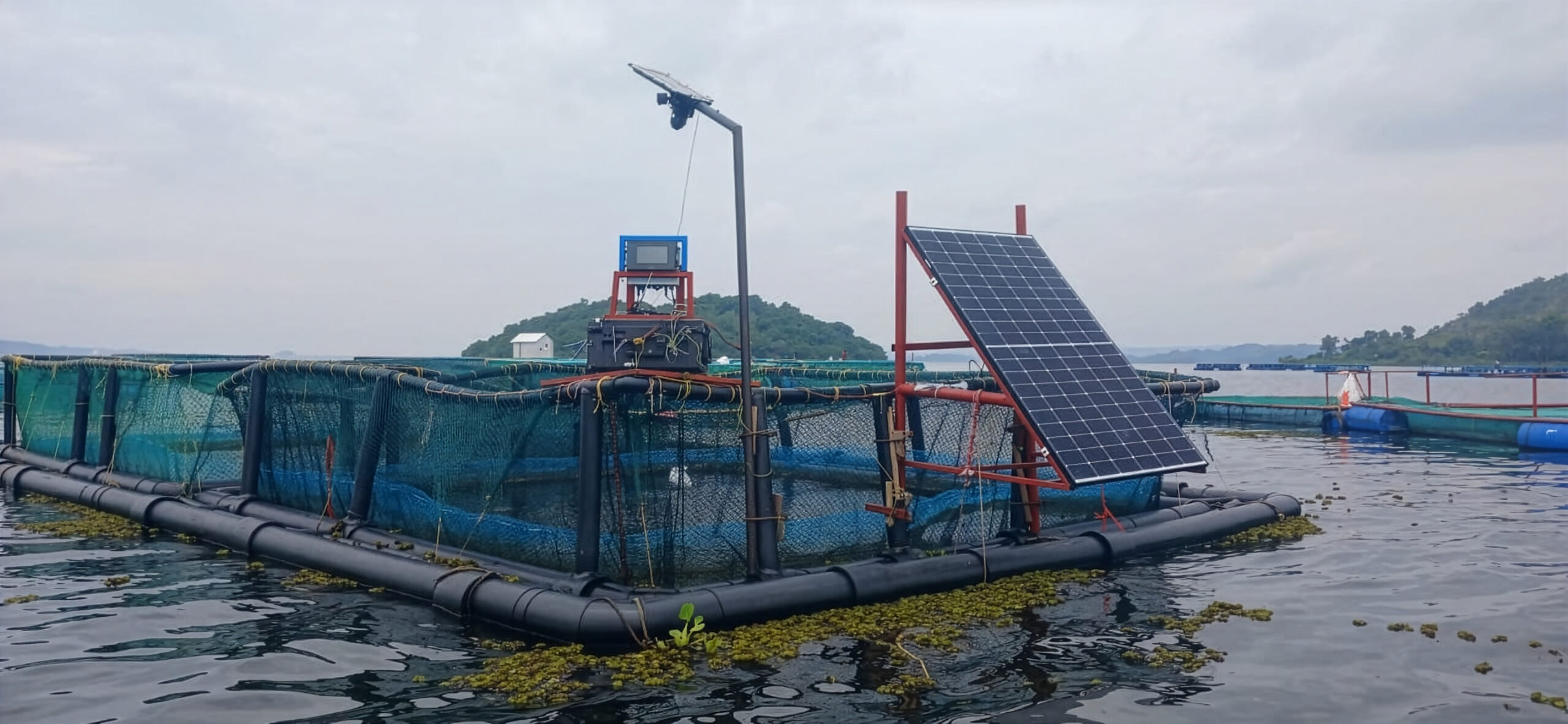
In collaboration with our partners, we develop innovative solutions for digital, sustainable ecosystems. One example of this is our digitally controlled fish farm in Tanzania. Through the use of modern sensor systems, including fibre-optic sensors, key parameters such as water quality, temperature and oxygen levels can be recorded and monitored in real time.
This data is consolidated in a Digital Twin of the aquaculture facility. The system maps the facility in real time, visualises sensor data and enables integrated control and analysis of the processes. Additional data sources, such as acoustic sensors, can also be integrated here.
With AquaTwin pro, we are expanding the system to include a digital precision tool based on acoustic hydrophone sensors. These ‘listen’ to the behaviour of the fish and, in combination with automated oxygen control, enable demand-based feeding in real time. This prevents overfeeding, optimises growth in a targeted manner and further improves resource utilisation. The result is up to 20% lower feed costs and significantly improved profitability with profit margins up to 40% higher.
Together with local partners, the systems are implemented on-site and continuously refined.
Local infrastructure as the key to resilient communities
Many regions face fundamental challenges: a lack of energy supply, unreliable access to water and limited opportunities for local food production.
Why are decentralised solutions so important?
The expansion of large centralised infrastructure, such as electricity grids or supply facilities, is often associated with high costs and lengthy planning and construction times. For many remote regions, this means that a stable energy supply is still years or even decades away.
Decentralised systems offer a different approach here. Local energy and infrastructure solutions can be implemented much more quickly, can be adapted to regional conditions and function independently of large networks. This creates crisis-resilient structures that reliably support communities even during supply bottlenecks or infrastructure disruptions.
Our solutions
Decentralised energy supply
In Tanzania, average electricity consumption per person is around 123 kWh per year; in Germany, it is around 1800 kWh. Whilst cities are often connected to the electricity grid, many rural regions remain without a reliable energy supply.
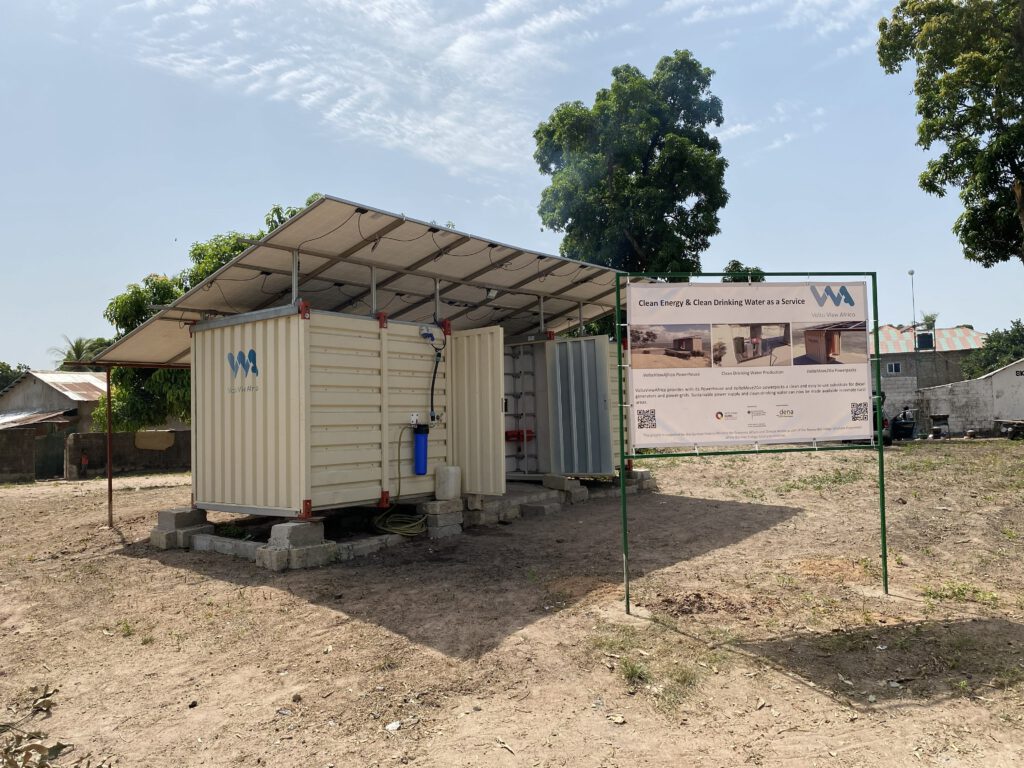
Our solution is decentralised, solar-based systems. Modular Powerhouse systems can provide communities with a sustainable electricity supply, independent of expensive power grids.
Water supply
Around 40% of people in Tanzania do not have reliable access to clean drinking water. This means that the fundamental right to clean water is still not guaranteed in many places. At the same time, droughts, floods and climate change are putting increasing pressure on water resources.
Decentralised water treatment and sustainable infrastructure can help to supply communities with clean drinking water in the long term.
Food security
Tanzania is one of the countries with the fastest population growth in the world. At the same time, important food sources such as fish stocks are coming under increasing pressure due to climate change, overfishing and changes to ecosystems.
Sustainable fish production and innovative aquaculture can help relieve pressure on natural stocks whilst creating a reliable food source for local communities