
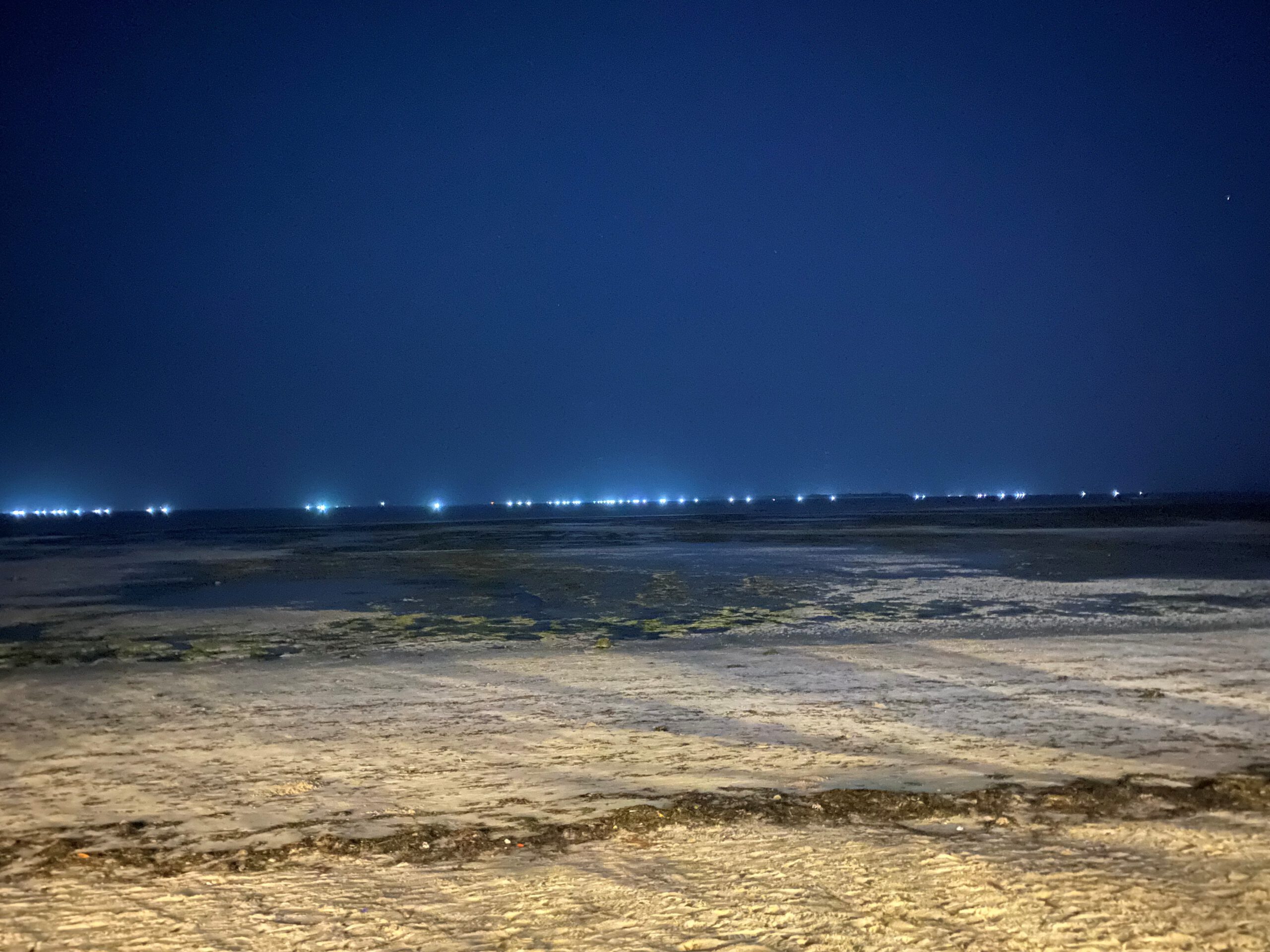
SodiumX for fisherman at Lake Victoria
Fishing is a livelihood for millions of families on Lake Victoria in East Africa. It provides food, creates income, and connects generations. Night-time sardine fishing in particular secures the daily survival of many households. Sardine fishing (Dagaa) on Lake Victoria traditionally takes place at night, using light sources to lure shoals of fish to the surface. Until now, unstable bamboo rafts with heavy lead-acid batteries that pose a leakage risk have often been used for this purpose. In the past, thousands of kerosene lamps burned on the boats to attract fish—bringing smoke, fire hazards, and high costs. LEDs then replaced open flames, powered by lead-acid batteries. The light became cleaner, but lead, acid, and the short service life of lead-acid batteries still burden people and the lake. SodiumX breaks this cycle. Lightweight, long-lasting, solar-charged, and free of toxic heavy metals, the sodium-ion battery reliably supplies energy for LED light, boats, and cooling. It lasts for years instead of months, charges quickly via solar power, and is a safe energy source. It was developed at Clausthal University of Technology and Fraunhofer Society in Goslar in cooperation with VoltaViewAfrica gUG for energy supply in Sub-Saharan Africa. For fishermen, this means lower costs and higher yields—more time for the catch. For the lake: protection from pollution. For the future: clean technology with local value creation.
Funded by Bingo – Environmental Foundation of Lower Saxony, Germany